
Linsitinib is an oral small molecule in late-stage clinical development for thyroid eye disease (TED) – a serious ocular autoimmune disease that can progress rapidly, cause permanent damage and, in severe cases, threaten vision.
Linsitinib is a differentiated oral approach to a validated mechanism. Linsitinib works by inhibiting IGF-1R (insulin-like growth factor 1 receptor), the only target for currently approved TED therapies. It’s the first and only oral IGF-1R inhibitor in Phase 3 development for TED.
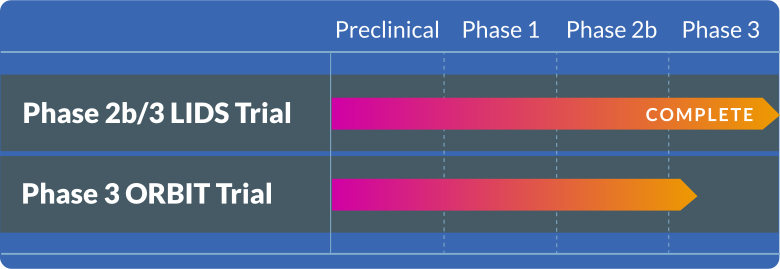
Topline data from the Phase 2b/3 LIDS trial in patients with active, moderate-to-severe TED demonstrated that linsitinib meaningfully improved proptosis (eye bulging) and exhibited a differentiated safety profile compared to previously approved or reported data from traditional anti-IGF-1R monoclonal antibodies particularly with respect to IGF-1R events of interest such as hearing impairment, hyperglycemia, and menstrual disorders.
As a convenient oral therapy, linsitinib is designed to offer an effective treatment option without the treatment burden and safety tradeoffs associated with currently available infused biologic therapies for TED.
About Thyroid Eye Disease
TED is a serious, progressive, and vision-threatening rare autoimmune disease that is estimated to affect more than 200,000 people in the U.S. TED predominantly affects women, and most frequently affects people with hyperthyroidism due to Graves’ disease.
TED is caused by dysfunction in the IGF-1R signaling pathway, which results in fibrous tissue growth behind the eyes. This leads to several negative symptoms that may have long-term, irreversible damage as the tissue growth pushes the eyes forward or causes the eyes and eyelids to become red and swollen. As the disease progresses, it can lead to pain, eye bulging (proptosis), and vision loss in severe cases, thus dramatically impacting a patient’s quality of life.
The current standard of care typically involves either invasive orbital surgery or a lengthy series of infusions with potential adverse events like loss of hearing, hyperglycemia, or menstrual cycle changes.